

Best Business Process Automation Tools for 2026
-
- •
- Jun. 30, 2026
- •
- 11 min read

If you’re comparing the best business process automation tools for 2026, the real question is not which platform has the longest feature list. It’s which tool will actually remove manual work from your team, fit your existing stack, and keep working as your operations become more complex. For Shopify merchants and ecommerce operators, that usually means automating order routing, inventory sync, reporting, customer follow-up, and exception handling without adding more developer backlog.
A good business process automation platform should help you describe what you need accomplished, turn that into a reliable workflow, and give your team visibility when something needs attention. The strongest options in 2026 do that with a mix of AI-assisted setup, multi-step workflow logic, deep integrations, and practical support.
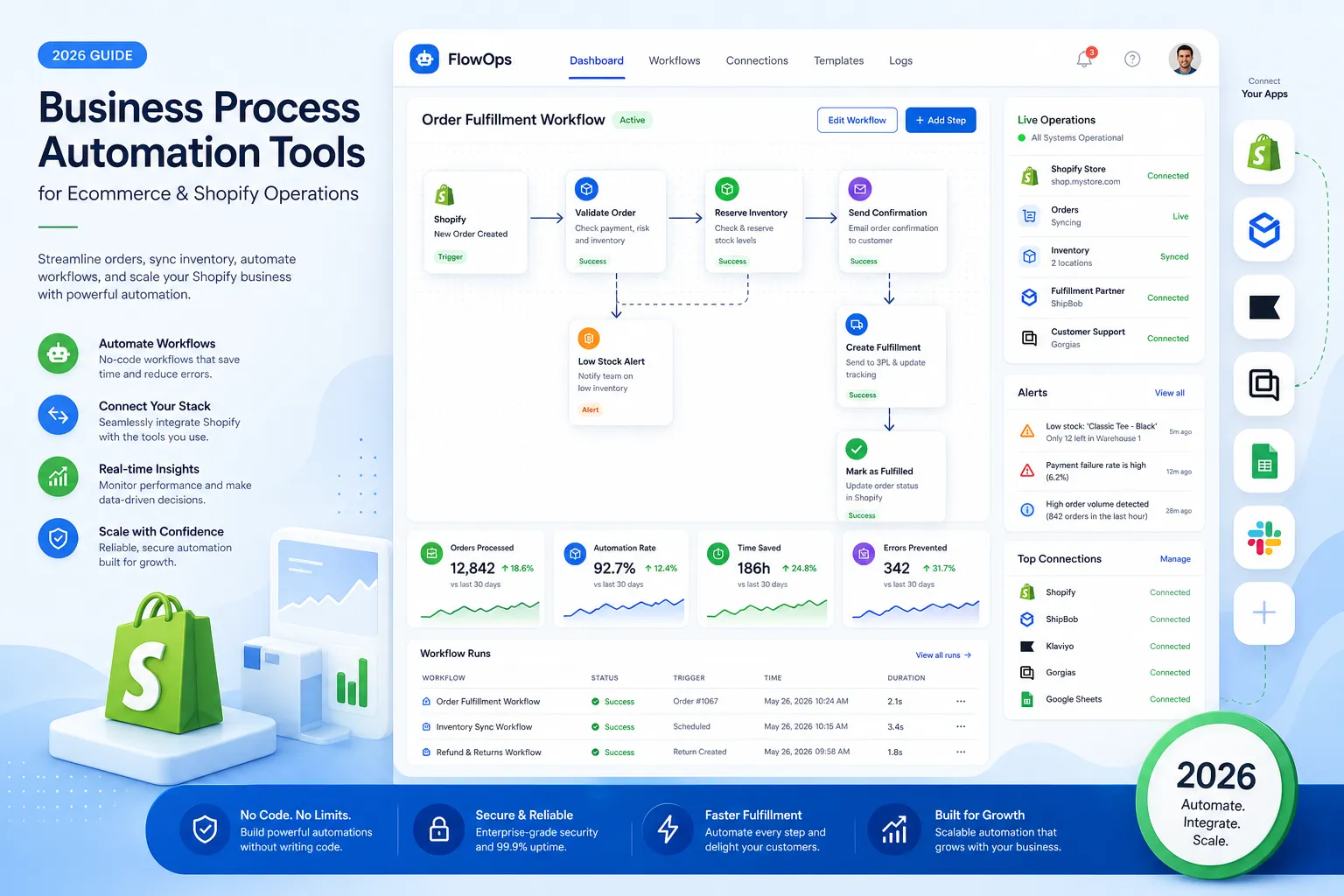
Table of Contents:
The quick answer: which tools are actually worth considering?
For most teams, the best business automation tools in 2026 fall into three buckets:
-
Shopify-first ecommerce automation: best for merchants who need store operations automated fast
-
General no-code workflow tools: best for broad app-to-app automation
-
Enterprise orchestration and RPA platforms: best for large companies with cross-department complexity and formal governance requirements
If you run on Shopify, generic workflow software can help, but it often stops short when you need order logic, fulfillment coordination, app-specific actions, or inventory-safe automations. That’s where a purpose-built platform like MESA’s Shopify automation platform stands out: it is designed to automate repetitive Shopify tasks, supports complex multi-step workflows, integrates with 100+ ecommerce tools, and helps merchants launch automations quickly without custom development.
“The global business process automation market was valued at USD 19.85 billion in 2025 and is projected to grow from USD 22.3 billion in 2026 to USD 56.68 billion by 2034.” – Fortune Business Insights
What the top-ranking articles get right – and what they miss
After reviewing leading articles on this topic, a clear pattern emerges. Most of them do a solid job covering:
-
the usual list of tools
-
broad definitions of BPA, RPA, and workflow automation
-
lightweight pricing summaries
-
generic use cases like approvals, notifications, and form routing
That’s useful, but incomplete.
What competitors get wrong
The biggest gap is context. Most articles treat automation like a universal category when, in reality, buying criteria change dramatically by business model.
For ecommerce teams, especially on Shopify, the best process automation tools are not just about “moving data between apps.” They need to handle realities like:
-
tagging and routing orders based on SKU, channel, or fraud risk
-
syncing inventory across storefronts and systems
-
triggering post-purchase flows based on fulfillment events
-
alerting teams when subscriptions, returns, or order edits create exceptions
-
preventing broken data flows that can oversell products or delay customers
Generic listicles also tend to ignore implementation friction. A tool may look affordable on paper but become expensive or slow once you need branching logic, app-specific actions, or help from a developer.
The content gap this guide fills
This article is built for operators, not hobbyists. It focuses on:
-
which tools fit which level of operational complexity
-
where general-purpose platforms break down for ecommerce
-
how AI-assisted workflow creation changes tool selection
-
what to evaluate beyond price
-
why MESA is often the logical next step for merchants who have outgrown simpler automations
What to look for before you choose a platform
Not every team needs enterprise software. But every team does need clarity about what they’re trying to automate.
1. Workflow depth, not just triggers
Simple “when X happens, do Y” automations are easy to find. The better platforms support:
-
conditional logic
-
multi-step branching
-
delayed actions
-
data transformation
-
exception paths
-
human approval checkpoints
For ecommerce, this matters when one order should follow different paths depending on location, subscription status, inventory level, VIP tag, or shipping method.
2. Native ecommerce relevance
A general workflow tool may connect to Shopify, but that does not mean it understands ecommerce operations. Look for platforms that can natively support:
-
order automation
-
fulfillment operations
-
customer experience workflows
-
inventory sync
-
app-to-app commerce data movement
That’s why many merchants specifically evaluate order automation workflows rather than just generic task automation.
3. AI-assisted setup that saves time
The strongest tools now let users describe what they need accomplished in plain English, then generate a live workflow. That matters if your ops team is short on time and doesn’t want to build logic from scratch.
4. Real support when workflows matter
Documentation is fine for simple automations. But if a workflow touches orders, inventory, or customer communication, human support becomes far more valuable. Broken flows cost money.
“30–50% of automation initiatives fail to deliver the expected results.” – McKinsey, as cited by SME Automate
Best business process automation tools for 2026
1. MESA
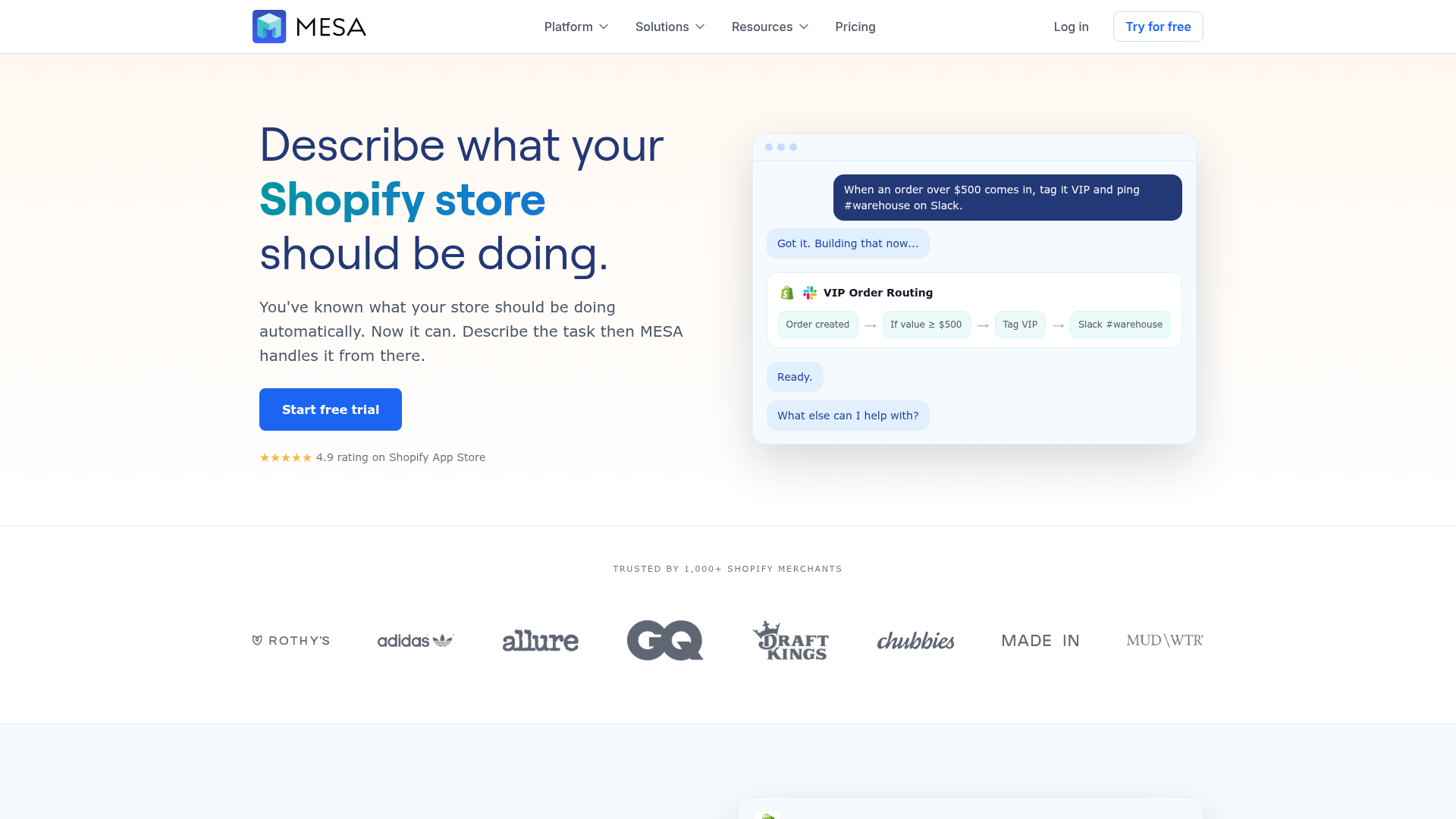
MESA is the best fit for Shopify merchants and ecommerce brands that want to automate real operational work without waiting on developers. It is built specifically for commerce workflows, which gives it an advantage over broader automation tools when the process touches orders, fulfillment, subscriptions, inventory, support, or post-purchase experience.
What makes it especially compelling in 2026 is the combination of Shopify-first depth and AI-assisted workflow creation. Instead of forcing teams to piece together logic manually, MESA lets you describe what you need accomplished and quickly turns that into a working workflow. That shortens setup time and reduces the operational backlog that often slows growing merchants down.
Best for
-
Shopify merchants
-
ecommerce operations teams
-
brands managing complex multi-step automations
-
teams that need fast setup plus ongoing support
Strengths
-
Built for Shopify and ecommerce operations
-
AI assistant helps translate plain-English requests into live workflows
-
100+ app integrations and ecommerce connectors
-
300+ templates for faster deployment
-
Handles order automation, reporting, alerts, inventory, fulfillment, and customer follow-up
-
Human support helps with setup and optimization
Typical use cases
-
tag and route orders based on product, channel, or value
-
send Slack alerts for exceptions or high-priority orders
-
sync Shopify data to Google Sheets or ERP systems
-
trigger post-purchase flows after fulfillment events
-
prevent overselling with inventory-aware automations
-
automate customer support handoffs and internal notifications
Why it stands out
MESA is not trying to be everything for everyone. It is focused where merchants need it most: reducing manual operational work inside ecommerce. That focus makes the platform more practical than generic tools for many brands.
2. Zapier
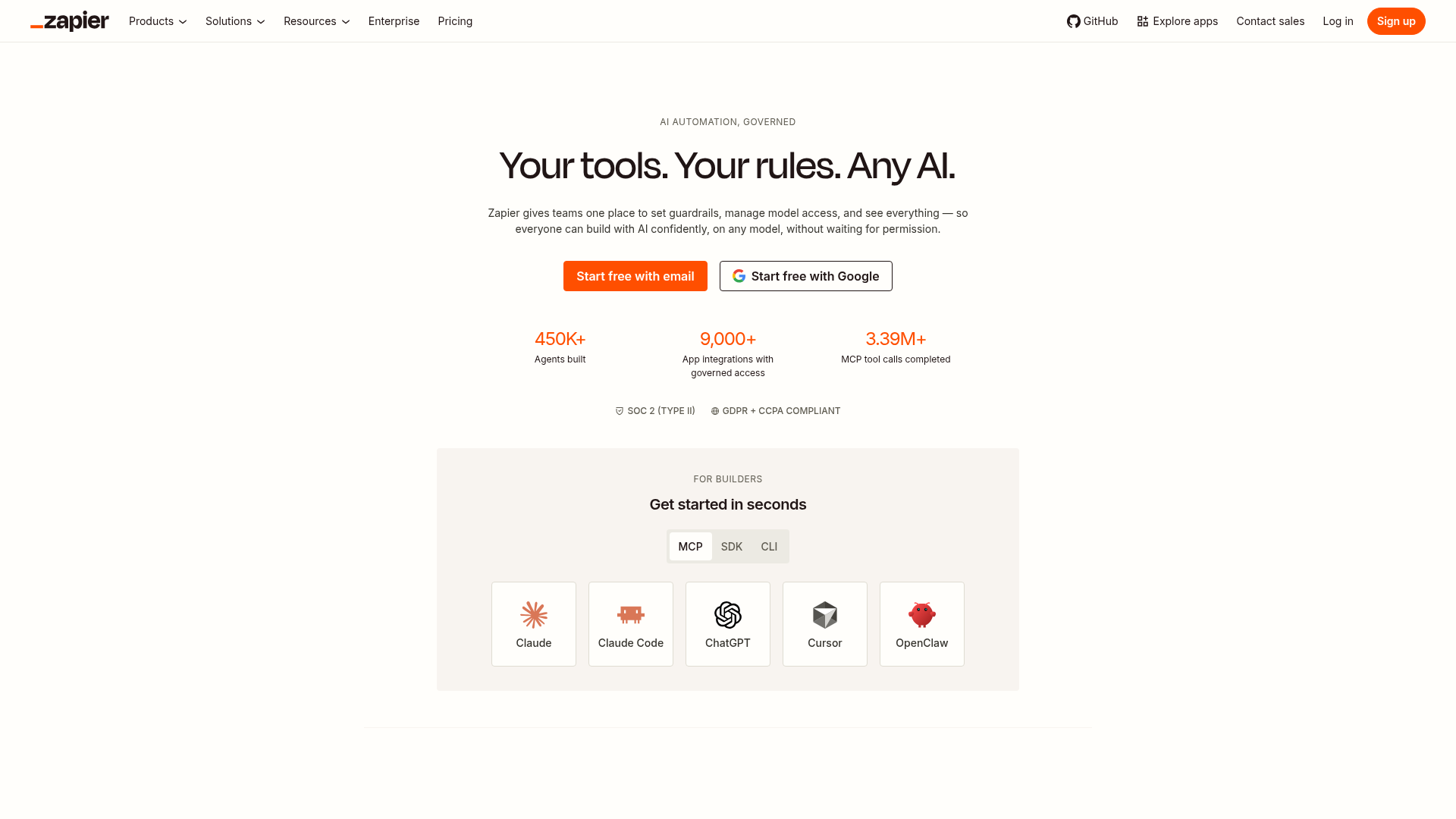
Zapier remains one of the best-known business automation tools because it is approachable and connects a huge number of apps. It’s a strong choice for simple cross-app workflows and fast proof-of-concept automations.
Best for
-
small teams
-
simple app-to-app workflows
-
quick automations across many SaaS tools
Strengths
-
huge app library
-
easy onboarding
-
good for basic notifications and data movement
Limitations
For ecommerce teams, Zapier can start to feel stretched when workflows become operationally sensitive or heavily branched. Complex Shopify logic, high-volume usage, and multi-step commerce automations often push teams to look for something more purpose-built.
3. Make
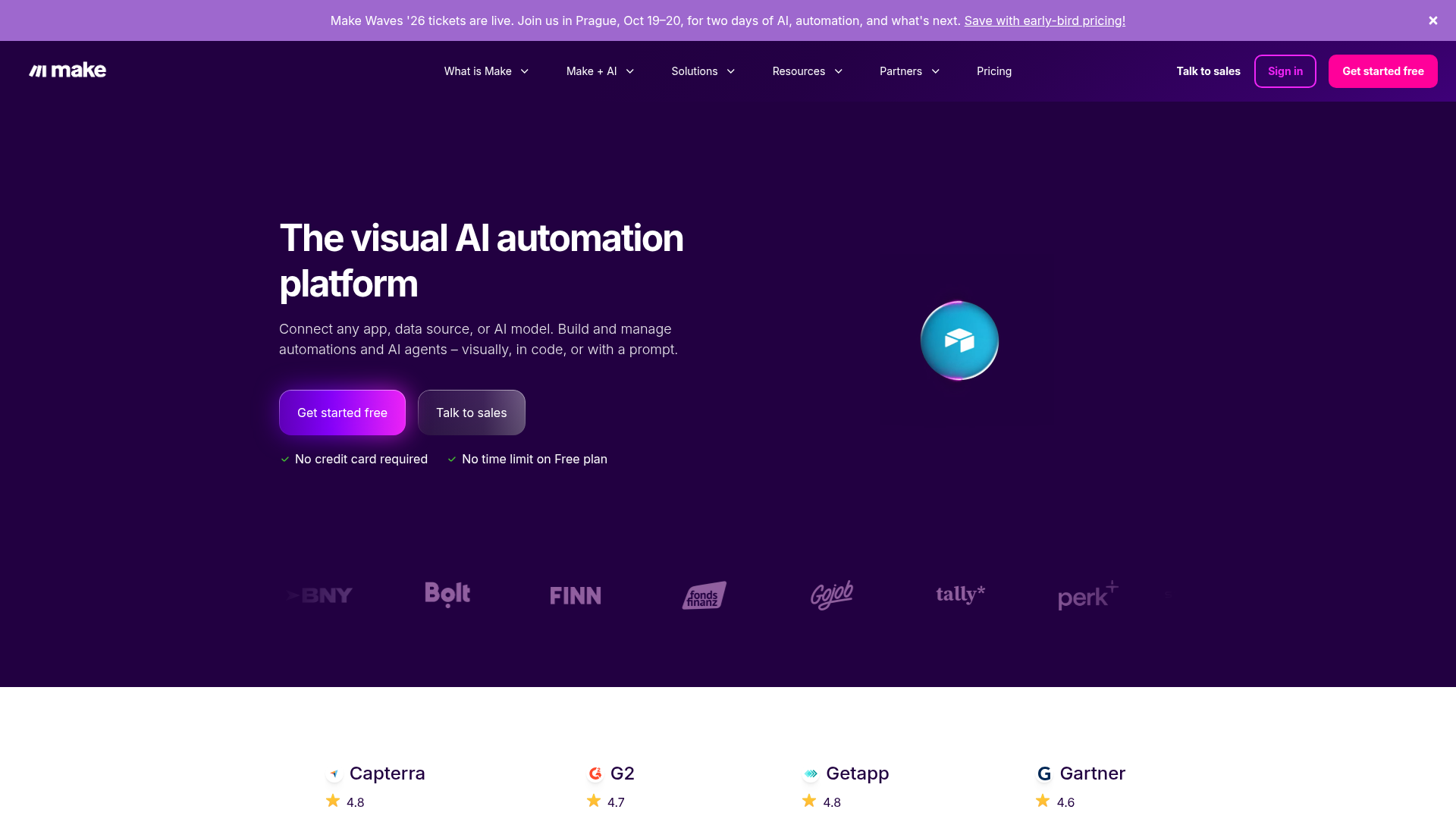
Make is a strong visual automation platform for teams that want more control over scenario design. Its interface is well suited to users who are comfortable building logic and tracing data through multiple paths.
Best for
-
operations teams with some technical confidence
-
visually complex multi-step workflows
-
data-heavy app orchestration
Strengths
-
flexible visual builder
-
strong branching and mapping logic
-
useful for sophisticated back-office automations
Limitations
It can become hard to manage for non-technical users, especially when workflows grow. Ecommerce teams may still need more Shopify-specific actions and support than a general-purpose tool provides.
4. Microsoft Power Automate
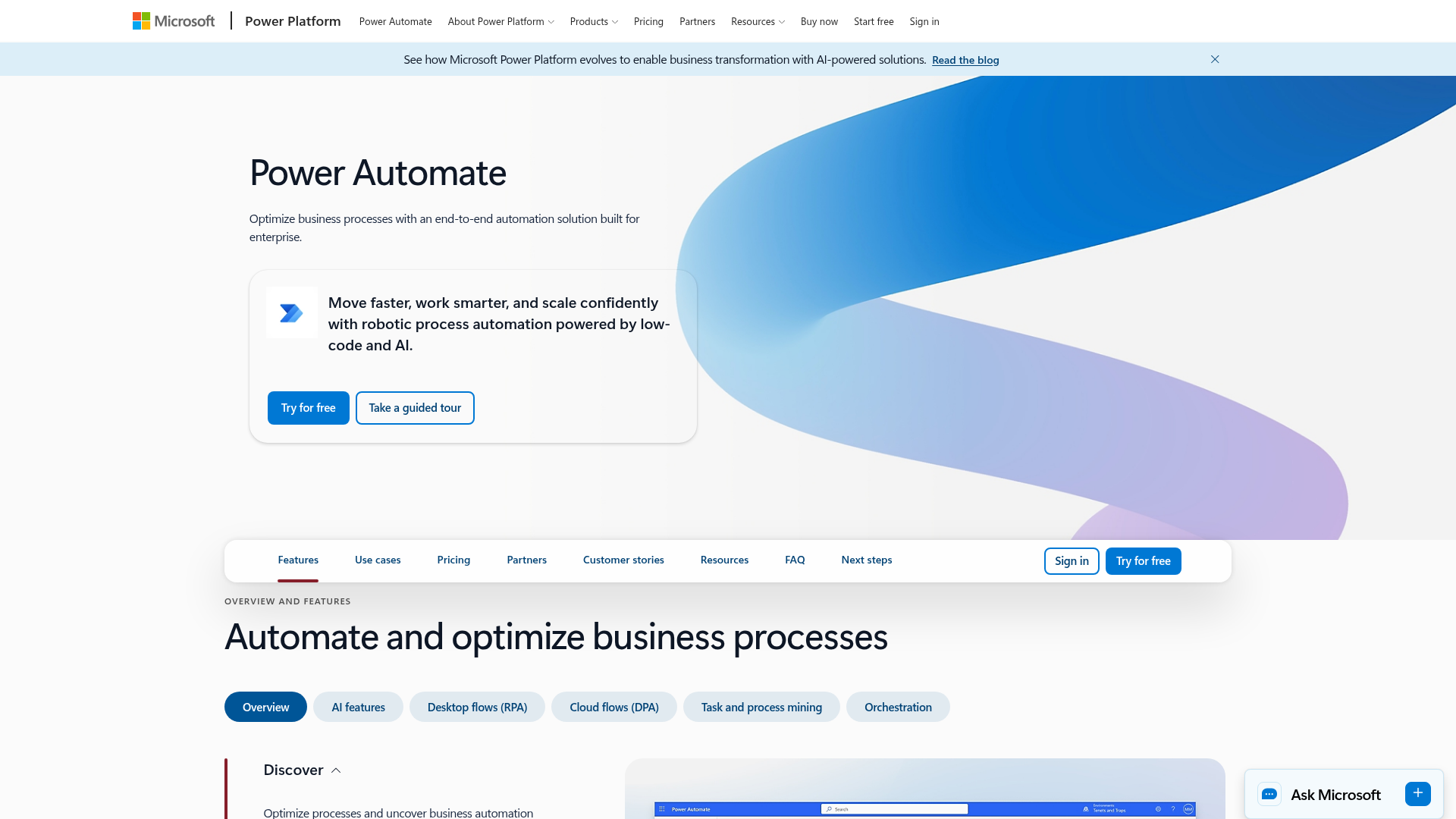
Power Automate is a natural choice for organizations already committed to Microsoft 365, Dynamics, and Azure. It combines cloud automation with desktop automation and is particularly useful in mixed environments with both modern and legacy systems.
Best for
-
Microsoft-centric organizations
-
internal business process automation
-
companies that need some RPA capability
Strengths
-
deep Microsoft integration
-
enterprise governance options
-
useful for approvals and document-driven flows
Limitations
It is less ecommerce-native than the best tools built for merchants. Shopify brands may find that it solves internal IT and admin workflows better than core commerce operations.
5. UiPath

UiPath is one of the leading names in robotic process automation. It is built for enterprises that need bots to interact with desktop systems, documents, and legacy software.
Best for
-
enterprise RPA
-
legacy system automation
-
document-heavy internal processes
Strengths
-
advanced RPA capabilities
-
intelligent document processing
-
mature enterprise tooling
Limitations
For most ecommerce operators, UiPath is more platform than they need. It makes more sense when the challenge is legacy software, not Shopify workflow automation.
6. Workato
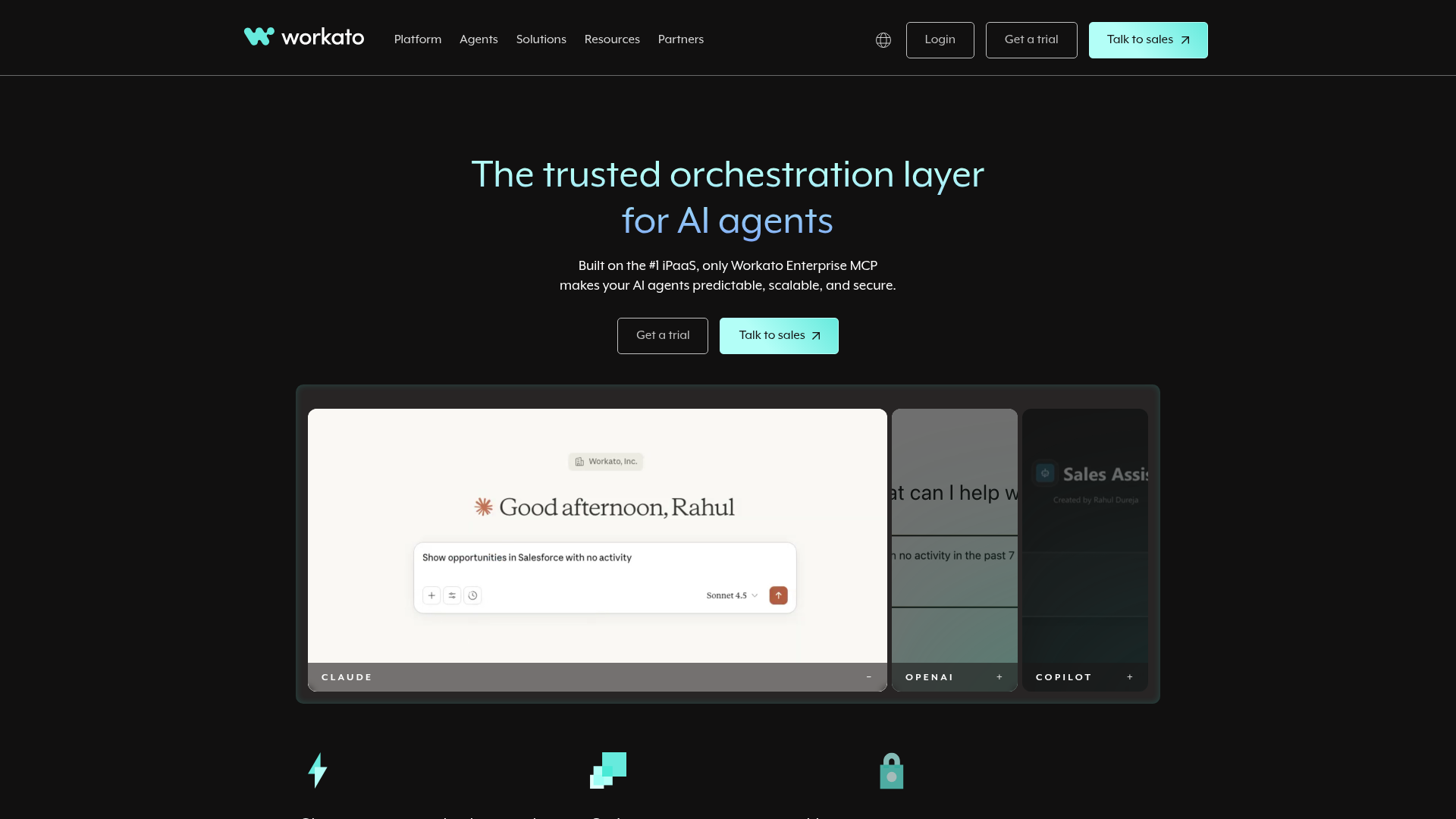
Workato is a serious enterprise integration and automation platform. It is well suited to large organizations that need governance, scalability, and cross-functional orchestration.
Best for
-
enterprise IT
-
complex system integration
-
governed automation at scale
Strengths
-
robust enterprise controls
-
broad integration capabilities
-
strong for large internal operations
Limitations
It is powerful, but usually more expensive and heavier than what ecommerce teams need unless they are operating at enterprise scale with broad back-office integration requirements.
7. Pipefy
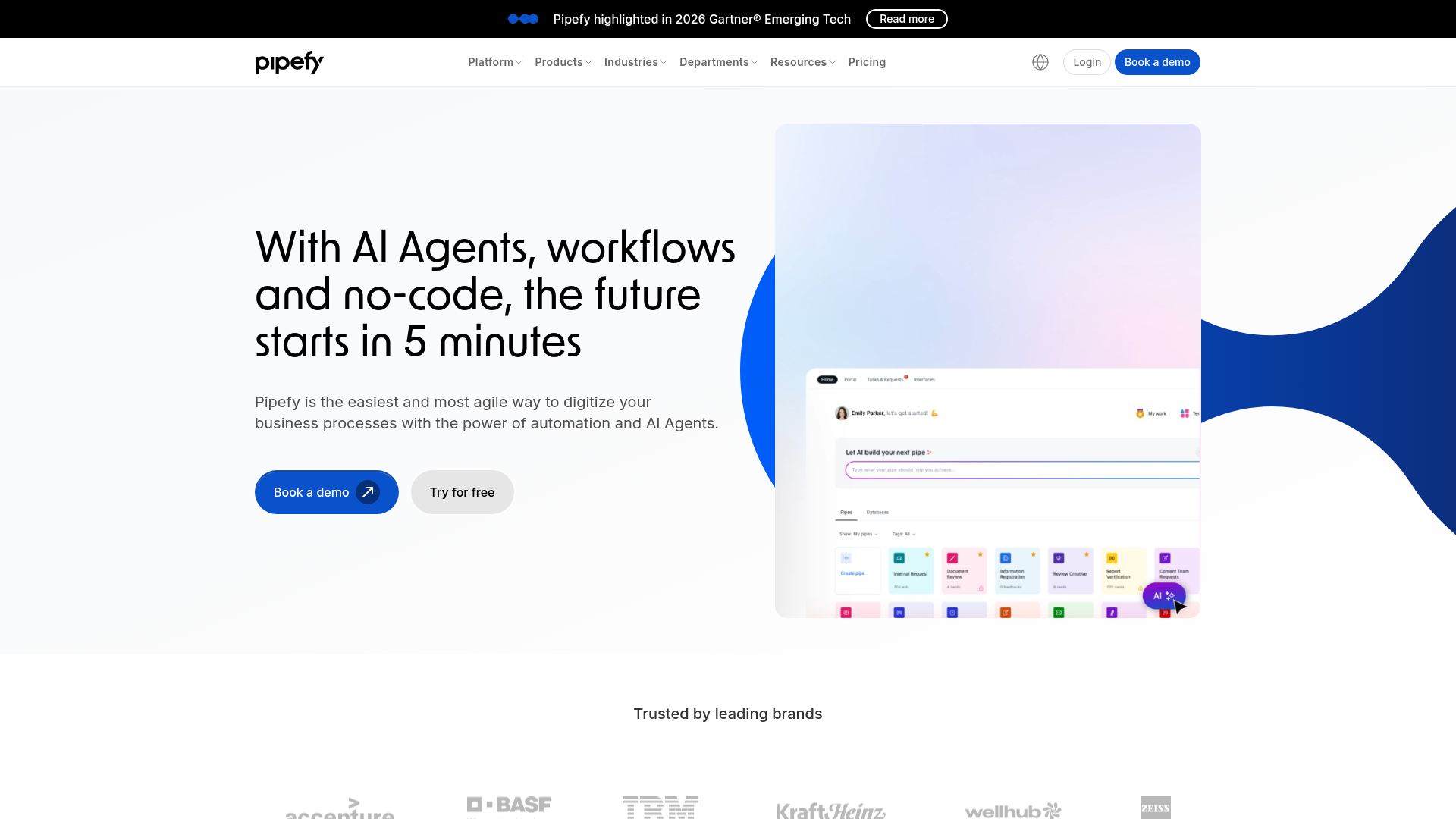
Pipefy is process-centric and strong for structured approvals, intake, and department workflows. It is often used in procurement, finance, HR, and service operations.
Best for
-
approval-driven internal processes
-
service request workflows
-
teams needing structure and governance
Strengths
-
strong human workflow management
-
good process visibility
-
useful templates for internal operations
Limitations
Pipefy is less specialized for Shopify and day-to-day ecommerce automation compared with tools built around merchant operations.
8. n8n
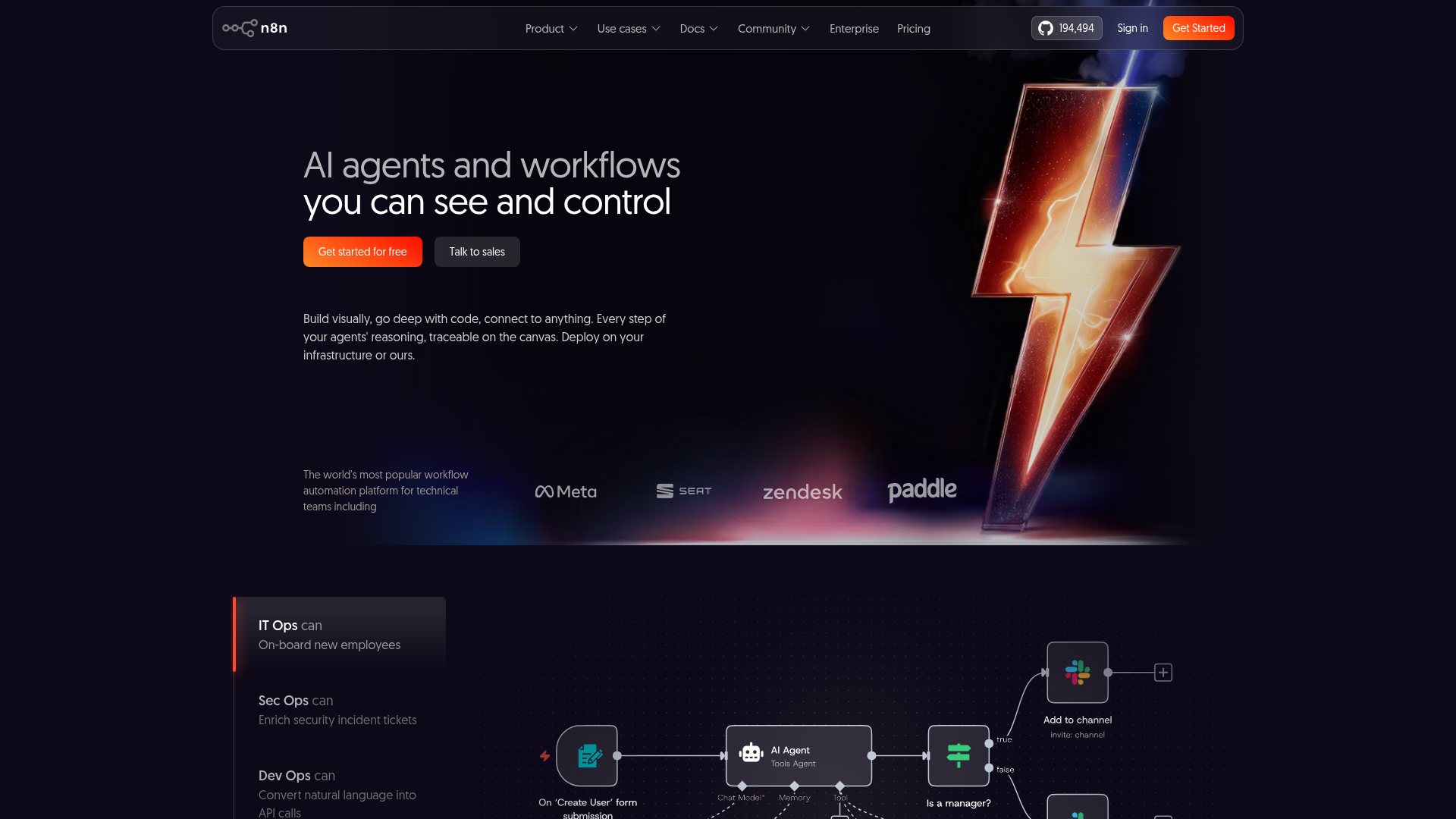
n8n appeals to technical teams that want flexibility, code extensibility, or self-hosting. It is capable and increasingly popular for AI-driven automation scenarios.
Best for
-
technical operators
-
self-hosted automation
-
custom logic and data handling
Strengths
-
flexible architecture
-
code support
-
self-hosting option
Limitations
It’s not ideal for time-constrained operators who want fast setup without debugging. Most non-developer ecommerce teams will find it less approachable than no-code merchant-focused platforms.
Side-by-side comparison
|
Tool |
Best for |
Ease of setup |
Ecommerce fit |
Complex workflows |
Human support |
|---|---|---|---|---|---|
|
MESA |
Shopify and ecommerce ops |
High |
Excellent |
Excellent |
Strong |
|
Zapier |
Basic cross-app automation |
High |
Moderate |
Moderate |
Moderate |
|
Make |
Visual multi-step automation |
Medium |
Moderate |
High |
Moderate |
|
Power Automate |
Microsoft-heavy orgs |
Medium |
Low to Moderate |
High |
Moderate |
|
UiPath |
Enterprise RPA |
Low |
Low |
High |
Enterprise-grade |
|
Workato |
Enterprise orchestration |
Medium |
Moderate |
Excellent |
Enterprise-grade |
|
Pipefy |
Structured internal workflows |
Medium |
Low to Moderate |
High |
Moderate |
|
n8n |
Technical/self-hosted teams |
Low to Medium |
Moderate |
High |
Varies |
Which tool is best for different ecommerce scenarios?
If you need fast wins without a developer
Choose MESA or Zapier.
Zapier is fine for lightweight notifications or simple syncing. MESA is stronger when the workflow is tied to real store operations and needs to stay reliable as order volume grows.
If you need advanced Shopify operations automation
Choose MESA.
This is where a Shopify-first platform matters most. MESA supports workflows around orders, inventory, fulfillment, customer communication, and reporting without forcing your team into generic workarounds. It also connects with a broad range of commerce tools through its Shopify app integrations.
If you need enterprise-wide back-office orchestration
Choose Workato, Power Automate, or UiPath, depending on your systems.
These tools are better suited when the challenge extends well beyond ecommerce and into company-wide IT, finance, and legacy infrastructure.
If you have a technical team and want maximum flexibility
Choose Make or n8n.
They are powerful, but they demand more hands-on workflow design and troubleshooting.
A practical framework for choosing the right platform
Use this decision lens instead of comparing feature lists line by line.
Choose based on the work you need to remove
|
Your main need |
Best-fit tool type |
Likely best option |
|---|---|---|
|
Shopify order, inventory, and fulfillment automation |
Ecommerce-first workflow platform |
MESA |
|
Simple alerts and app syncing |
General no-code automation |
Zapier |
|
Advanced visual branching across SaaS tools |
General visual automation |
Make |
|
Microsoft ecosystem workflows |
Enterprise productivity automation |
Power Automate |
|
Legacy screen-based processes |
RPA |
UiPath |
|
Cross-enterprise integration and governance |
Enterprise iPaaS |
Workato |
Ask these five questions
-
Can my ops team manage this without engineering?
-
Can it support multi-step logic and exceptions?
-
Is it built for ecommerce realities or just generic workflows?
-
What happens when a workflow breaks?
-
Will pricing still make sense when automation volume grows?
Those questions tend to reveal more than any vendor comparison page.
Why MESA is the logical next step for growing Shopify merchants
Many merchants start with lightweight automation tools. That makes sense. But as operations grow, the cost of fragmented workflows becomes obvious:
-
more manual monitoring
-
more brittle connections
-
more exceptions handled in Slack
-
more reporting stitched together by hand
-
more risk of broken flows affecting customers
MESA solves that by giving ecommerce teams a platform that is both accessible and operationally serious. You can describe what you need accomplished, launch a workflow quickly, use templates to save time, and get help from real humans when the workflow matters.
That combination is particularly valuable for merchants trying to scale without hiring a developer for every operational improvement. It also helps reduce overselling, delayed fulfillment reactions, and customer follow-up gaps that often happen when systems are only loosely connected.
Final verdict
The best business process automation tools in 2026 depend on the kind of work you need to eliminate.
If you want broad general-purpose automation, Zapier and Make are still important options. If you need enterprise governance, Workato, UiPath, and Power Automate are serious contenders. But if you’re a Shopify merchant or ecommerce operator trying to automate real store operations, MESA is the most practical choice because it combines Shopify-first depth, AI-assisted workflow creation, multi-step flexibility, and real support.
For teams that have outgrown simple triggers and now need automation that actually understands ecommerce, MESA is the platform to look at first.
Explore MESA’s templates, describe the workflow you want, and see how quickly your team can turn repetitive work into reliable automation. A strong place to start is MESA’s AI-powered ecommerce automation solutions.